ak-brainstorm: settle what to build and how before you code
ak-brainstorm reads your real code, settles the outcome, constraints, non-goals and acceptance, compares up to 3 approaches, then hands off to the next skill.
Each AgentKit skill: when to use it, sample prompts, its flags and its changelog by ak release.
ak-brainstorm reads your real code, settles the outcome, constraints, non-goals and acceptance, compares up to 3 approaches, then hands off to the next skill.
ak-atoz settles the scope with you through an interview, asks for everything it needs in one pass, then runs on its own until every acceptance item is verified.
ak-autoresearch reads a goal you want to improve over several rounds, picks the skill that owns that result, and keeps the shared conditions: a metric, a round limit, a stop condition.
ak-advise interviews you one question at a time until you both picture the same outcome, draws a preview for you to confirm, then gives candid advice with a handoff brief.
ak-bootstrap settles the contract for a new project, then hands it to ak-cook to build and test, ak-code-review to catch bugs, ak-enhance-ux-ax for the web part, and ships it if you ask.
ak-campaign builds a campaign kit, reports progress with the age of its numbers, writes performance reports and drafts email sequences. Planning never turns on an ad.
ak-code-review reviews uncommitted changes, a PR, a commit or the whole codebase, checks the spec first and then quality, and backs every finding with a file, line and evidence.
ak-cook reads the relevant code, writes just enough plan, edits the code, runs risk-based checks, reviews itself, then closes out the plan and docs. By default it runs straight through and stops only when you need to decide.
ak-debug reads the error, reproduces it, tests one hypothesis at a time, and only reports done after running a verification command. After 3 failed fixes it stops to revisit the architecture.
ak-deep-swe runs a model through OpenRouter on the DeepSWE task set with Pier, goes from 1 task to a small sample, runs the full set only when you agree, then reports the score with its measurement conditions.
ak-docs reads your repo, then writes, updates, summarizes or trims docs and CLAUDE.md/AGENTS.md, keeping only what the code cannot say: why and where.
ak-folder-context reads one subfolder, writes a short CLAUDE.md that holds only what has evidence, and adds an AGENTS.md that points to it. If the folder needs nothing, it creates nothing.
ak-github handles issues, PRs, CI and repo admin through gh: it reads the real state first, checks for duplicates before creating, and backs every change with a URL and evidence.
ak-git packs commit, push, opening a PR, merging a branch, merging a PR then watching CI, and stacked PRs into 6 subcommands, with standard messages and a stop on secrets.
ak-fix proves the root cause before fixing, fixes the right spot, reruns the exact command that failed to prove it is gone, and stops after 3 failed fixes.
ak-goal-warmup settles an outcome contract with you, plans against it, checks what every phase still lacks, then returns Ready, Blocked or Decision required. It never starts /goal itself.
ak-init reads the existing docs of a marketing project, asks only what the repo cannot answer, then writes the context into the file that already holds each piece.
ak-interview-docs asks you one turn at a time and writes each answer straight into your README, decision file or principles doc. The content is your words: it does not invent ideas.
ak-handoff writes a redacted 9-section Markdown file so a new session, model or runtime can pick up unfinished work without guessing.
ak-issue-to-plan reads a GitHub issue, scouts the code, passes the issue through an ak-brainstorm gate, and only then writes a plan, checks it and pushes it to its own branch. It stops before any code is written.
ak-loop runs many rounds, one small change per round: it commits, re-measures with a command that prints a number, keeps the change if it is better and reverts it if not.
ak-journal gathers the key events of a session, writes a short journal entry and saves it to plans/journals/. It only posts to social media when you ask for it explicitly.
ak-play builds a marketing playbook from a template, tracks the state of every step, hands each ready step to the right skill or agent, and stops at gates for your approval.
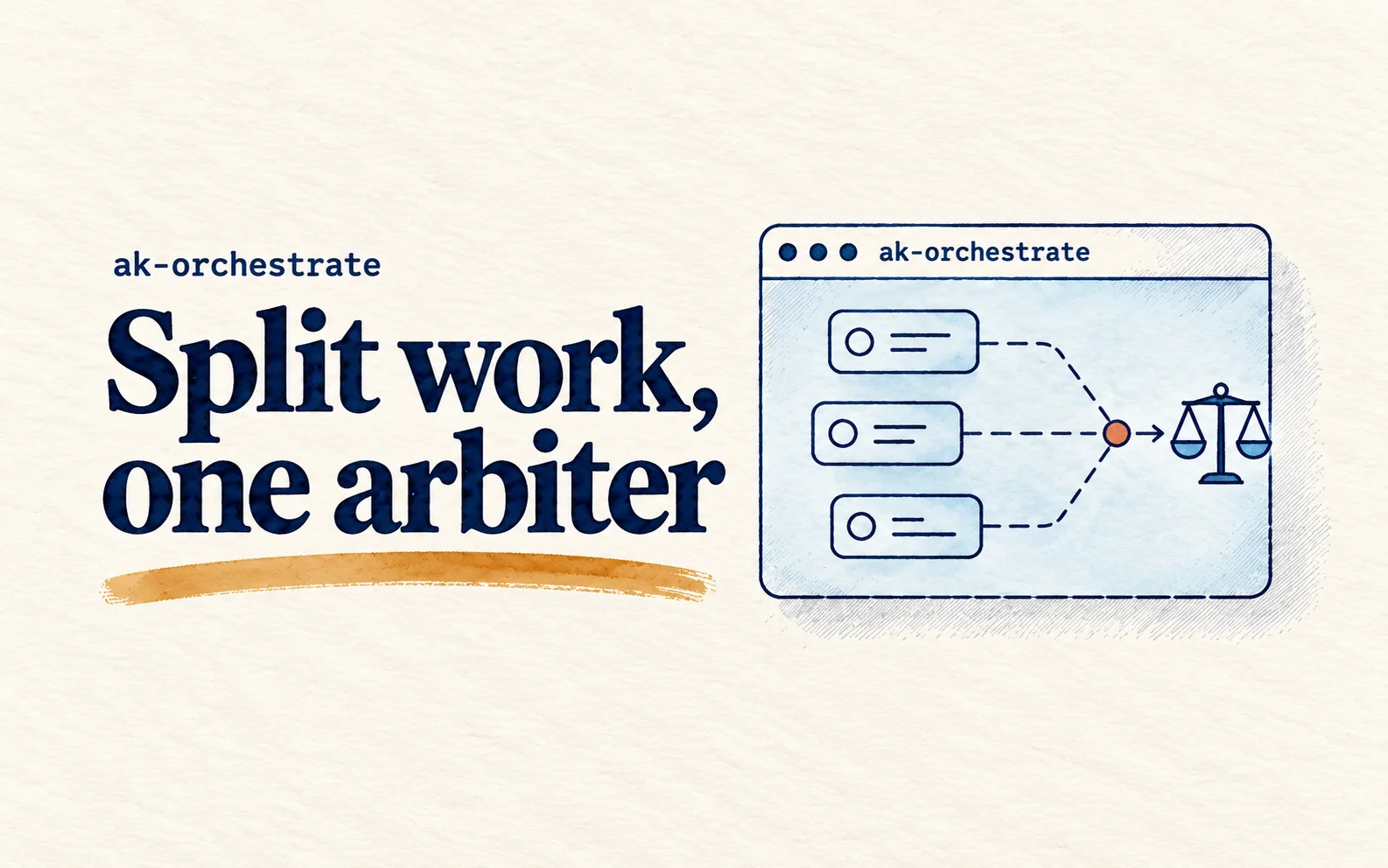
ak-orchestrate runs each part of the work as an independent session in stages, saves state so you can resume, then has an arbiter check every result before reporting done.
ak-project-management reads your plan files, counts the real checkboxes, updates status, writes short reports and rebuilds the task list so you can pick up in the next session.
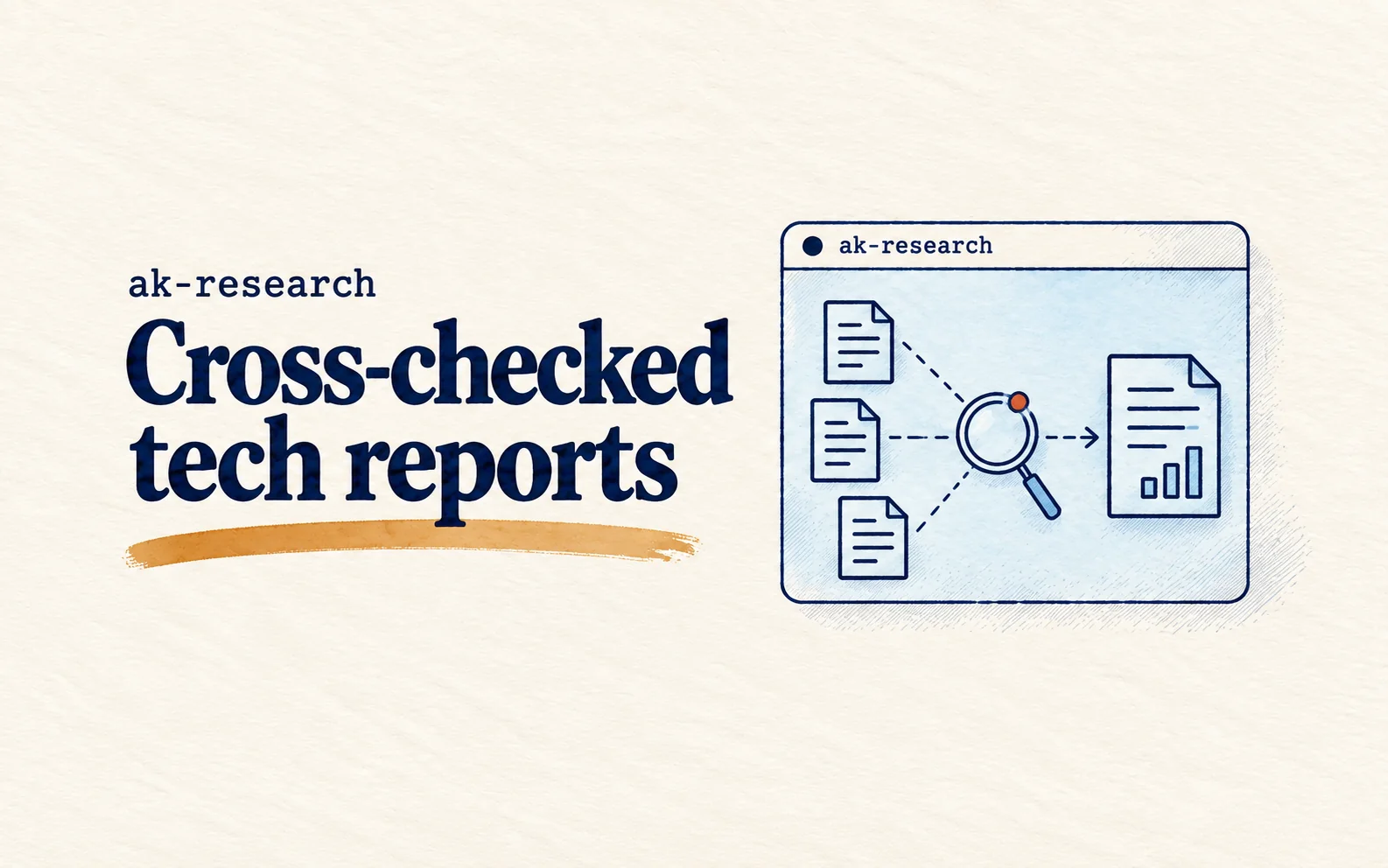
ak-research settles the scope of your question, searches the web, cross-checks several independent sources, then saves a cited report with next steps. It does not write code.
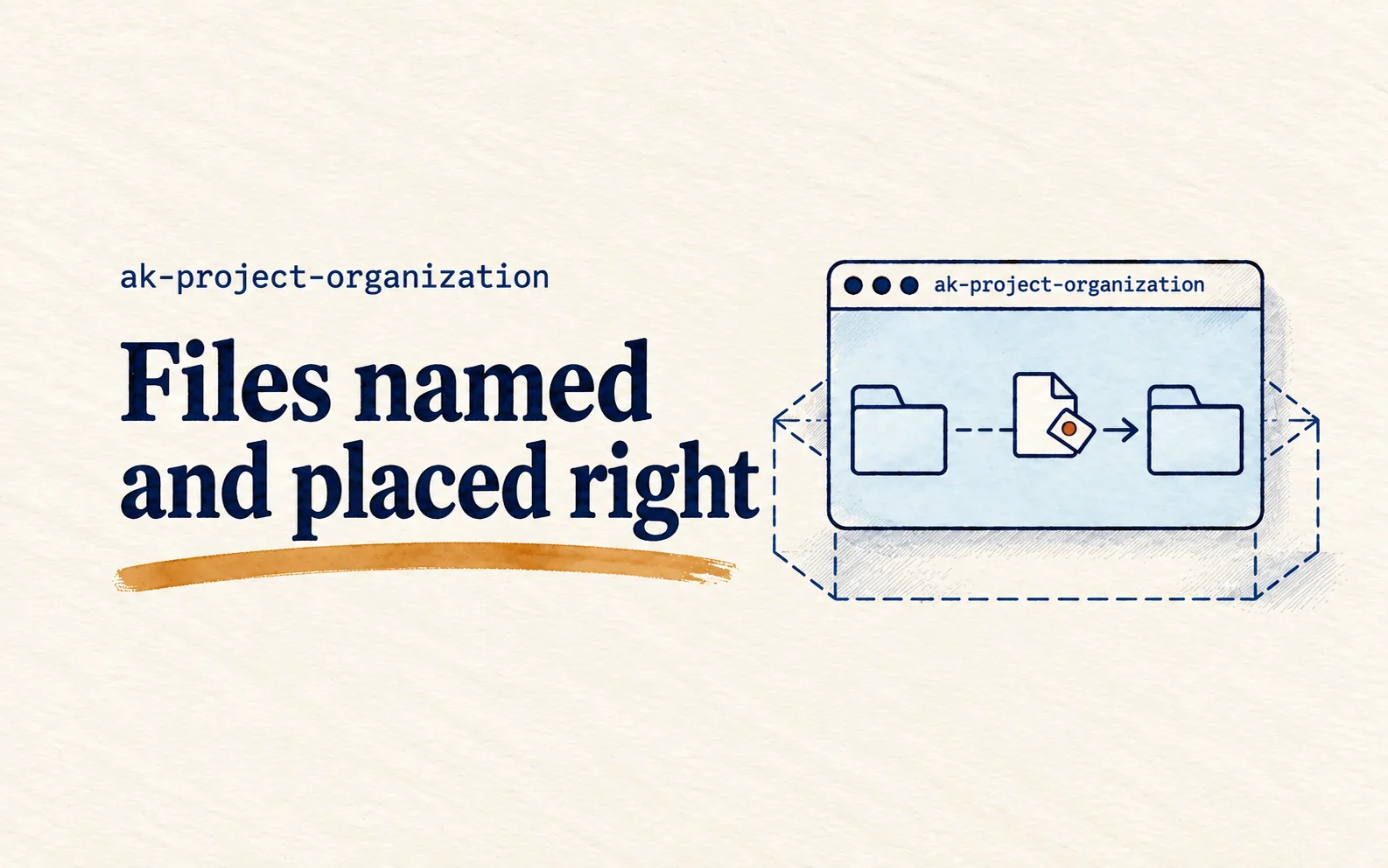
ak-project-organization scans the folders you name, proposes a from-to table, then moves, renames and checks the result. Your repo's existing conventions always win.
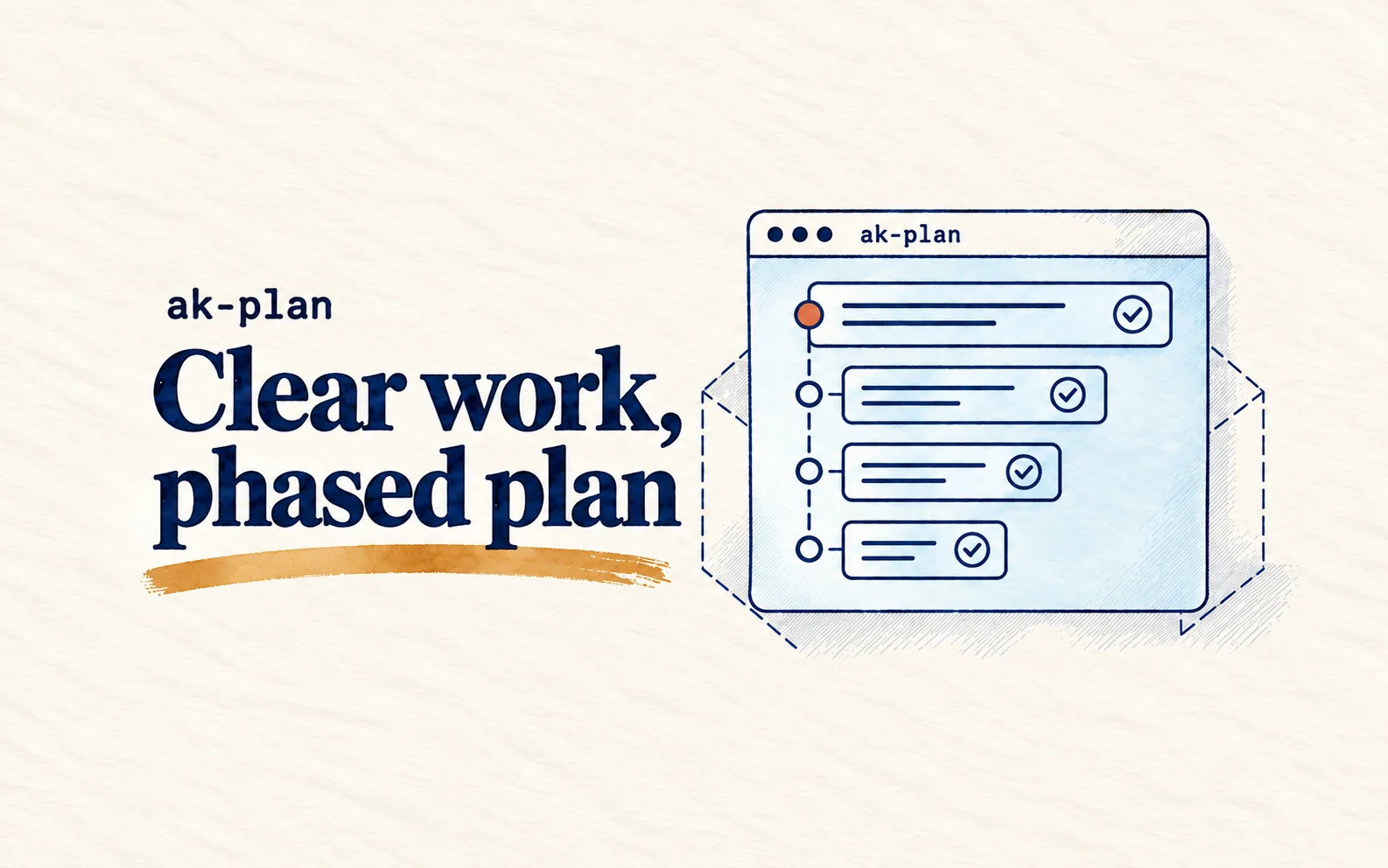
ak-plan reads your real code, picks the right depth, then writes a plan made of plan.md and phase files with steps and checks, ready to hand to ak-cook.
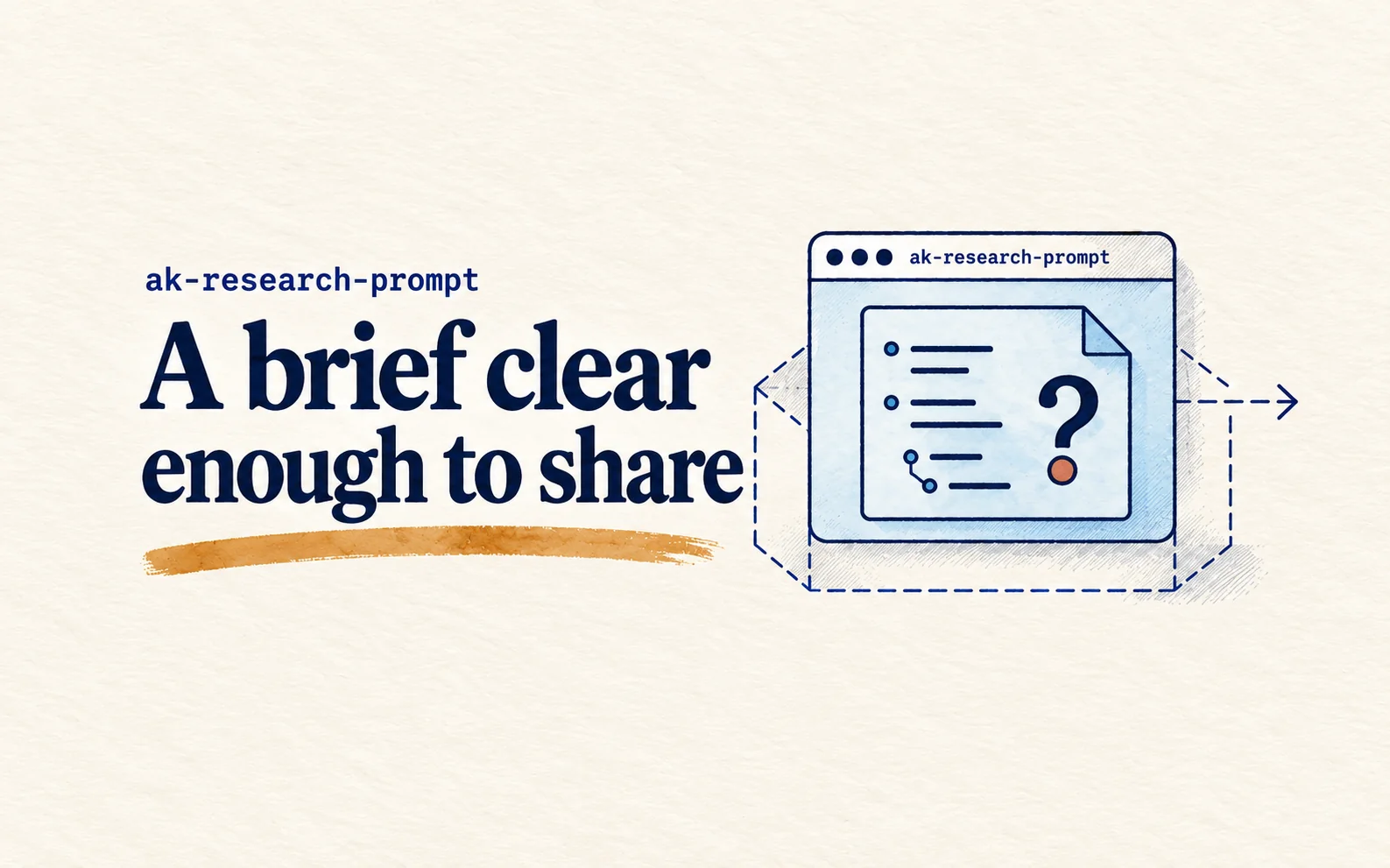
ak-research-prompt writes a self-contained research brief: context, one main question tied to one decision, a source hierarchy and how to return results. It does not do the research.
ak-scenario examines a code file or a feature description across 12 dimensions, lists concrete scenarios with severity, then hands off to ak-test, ak-plan or ak-predict.
ak-retro reads one period of git history, measures pace, code health and plan progress, then writes a retro report with 3 to 5 recommendations based on real numbers.
ak-scout searches your repo and returns a list of relevant files, each with a one-line description, plus the open questions. It only searches and reads, it does not change code.
ak-review-pr reads a PR's description, diff and CI, rates findings on 3 levels and gives one verdict. By default it only prints to chat; fixing, posting or merging needs a flag.
ak-security scans for secrets, vulnerable dependencies and dangerous code patterns, then analyzes threats with STRIDE and OWASP Top 10. By default it only reports and fixes only when you add --fix.
ak-sowat looks at recent work, an issue or a PR like a product owner, says what it means for users, and points out up to 3 next steps. It does not change code.
ak-sumup gathers the evidence at hand and recaps work you just finished: outcome, failures and fixes, decisions, usage, what remains. It does not edit files or carry on.
ak-ship takes a finished branch through tests, review, version, changelog, commit and push, then opens a PR. Add a flag and it goes on to a reviewed merge with green CI.
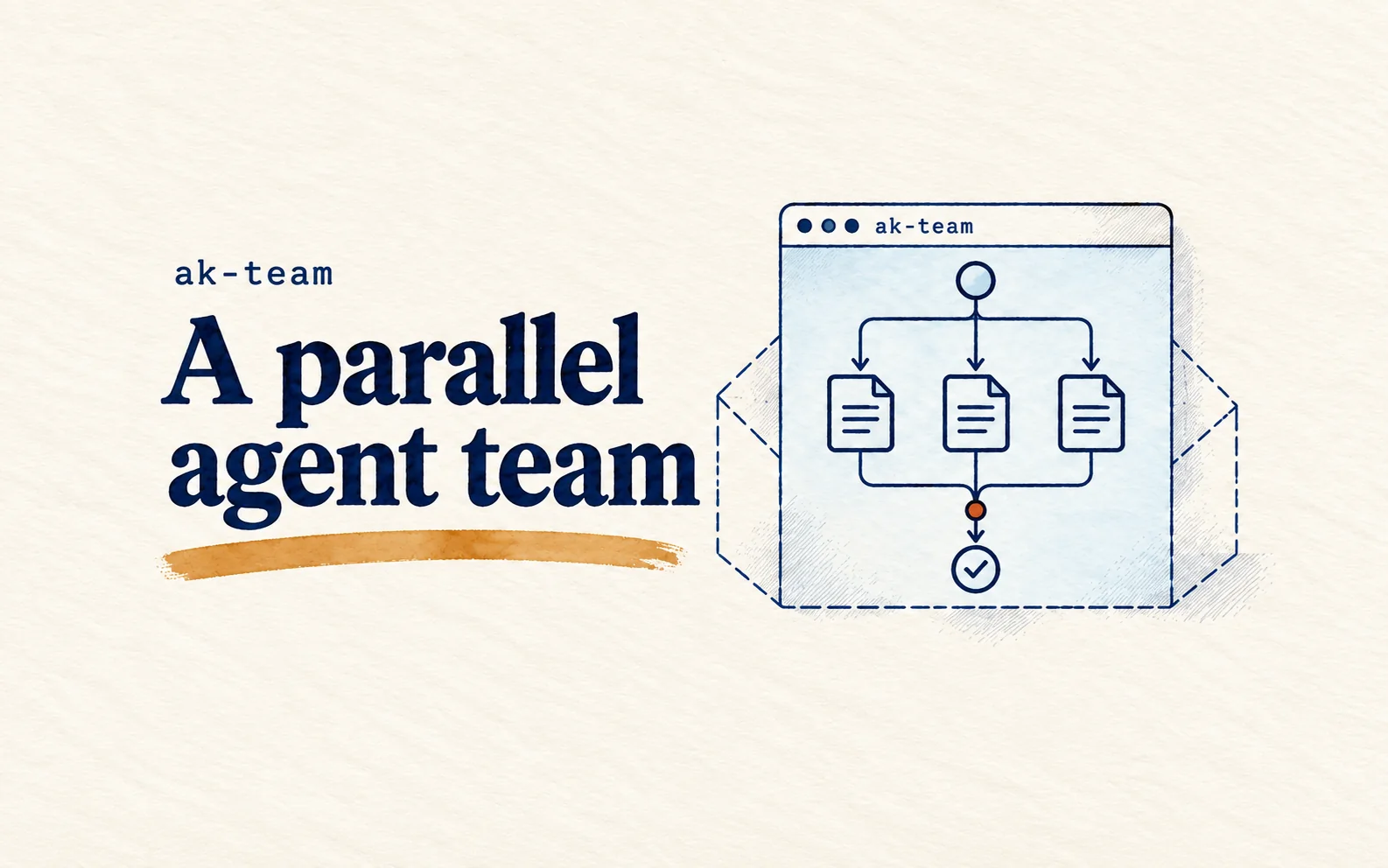
ak-team sets up an Agent Team: a lead splits the work, teammates run in parallel on their own files, and the lead merges and checks the result before reporting done.
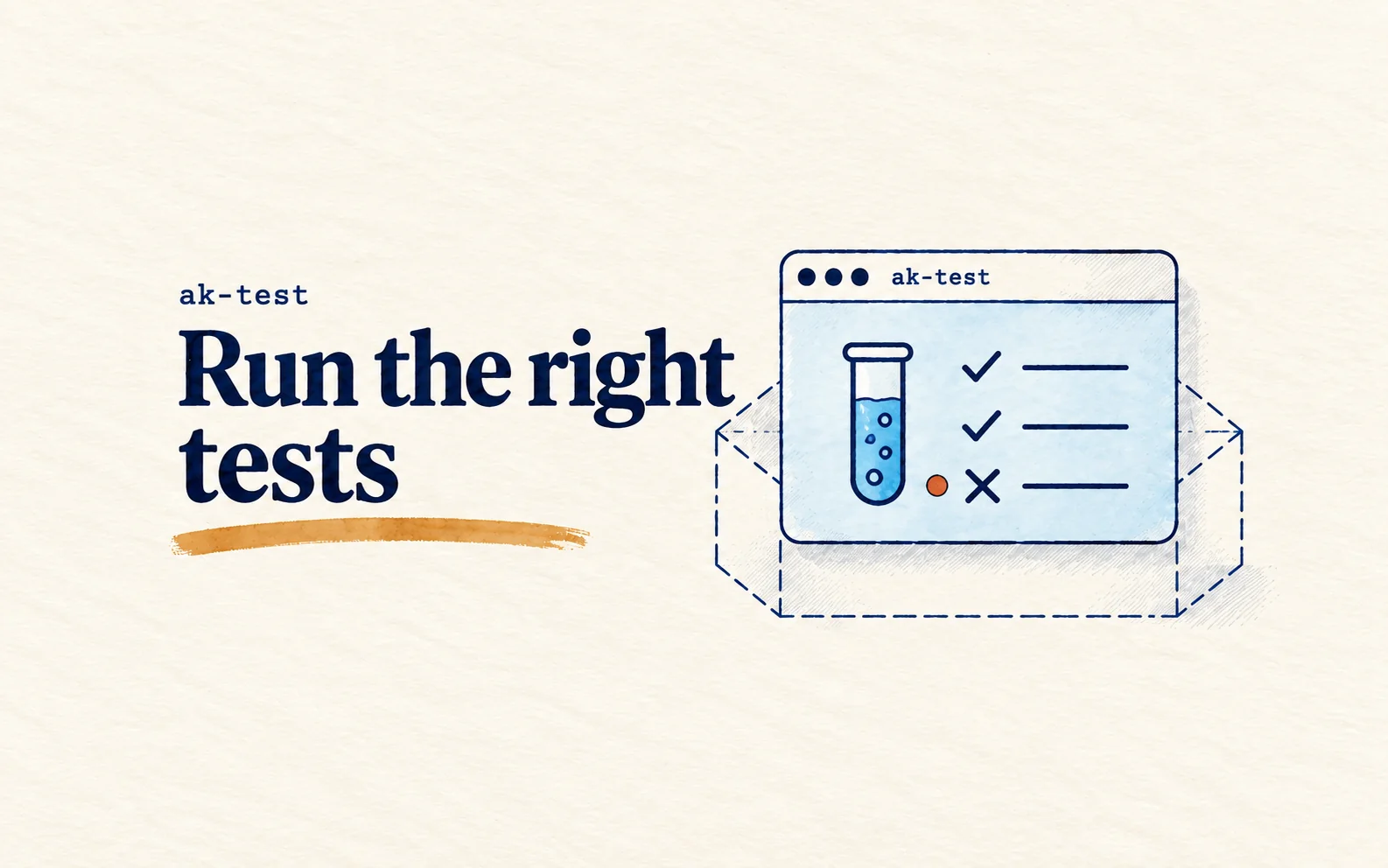
ak-test picks the smallest trustworthy check to prove a change works, investigates every failing test and states exactly what was checked. It also creates, optimizes and audits test suites.
ak-vibe chains worktree, plan, cook or fix, code-review, ship and review-pr into one pipeline that takes an issue or request to a reviewed PR labeled ready.
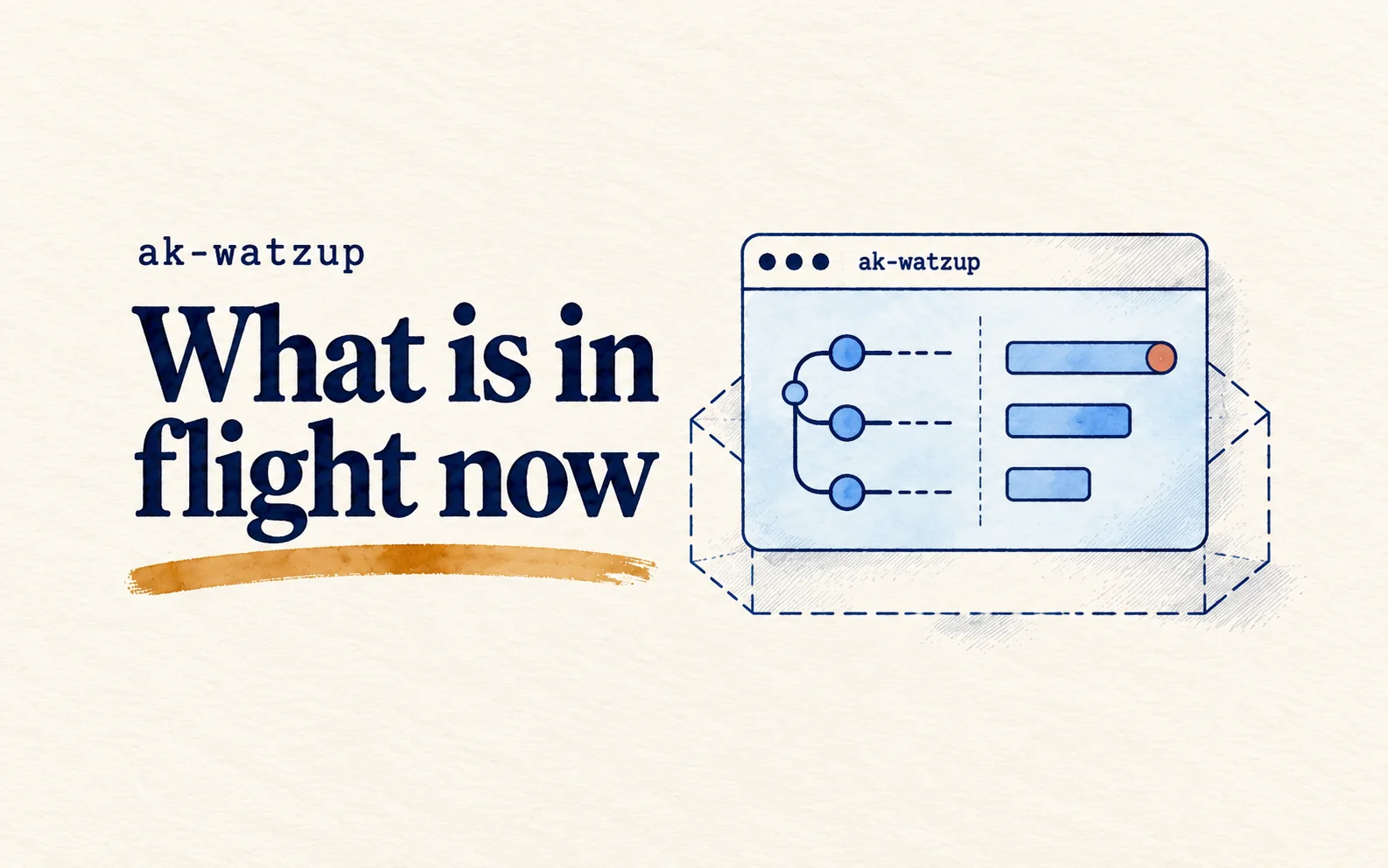
ak-watzup scans branches, worktrees, unfinished plans and roadmaps, then writes a short report with 5 to 6 ranked next steps. It only reads and changes nothing in the repo.
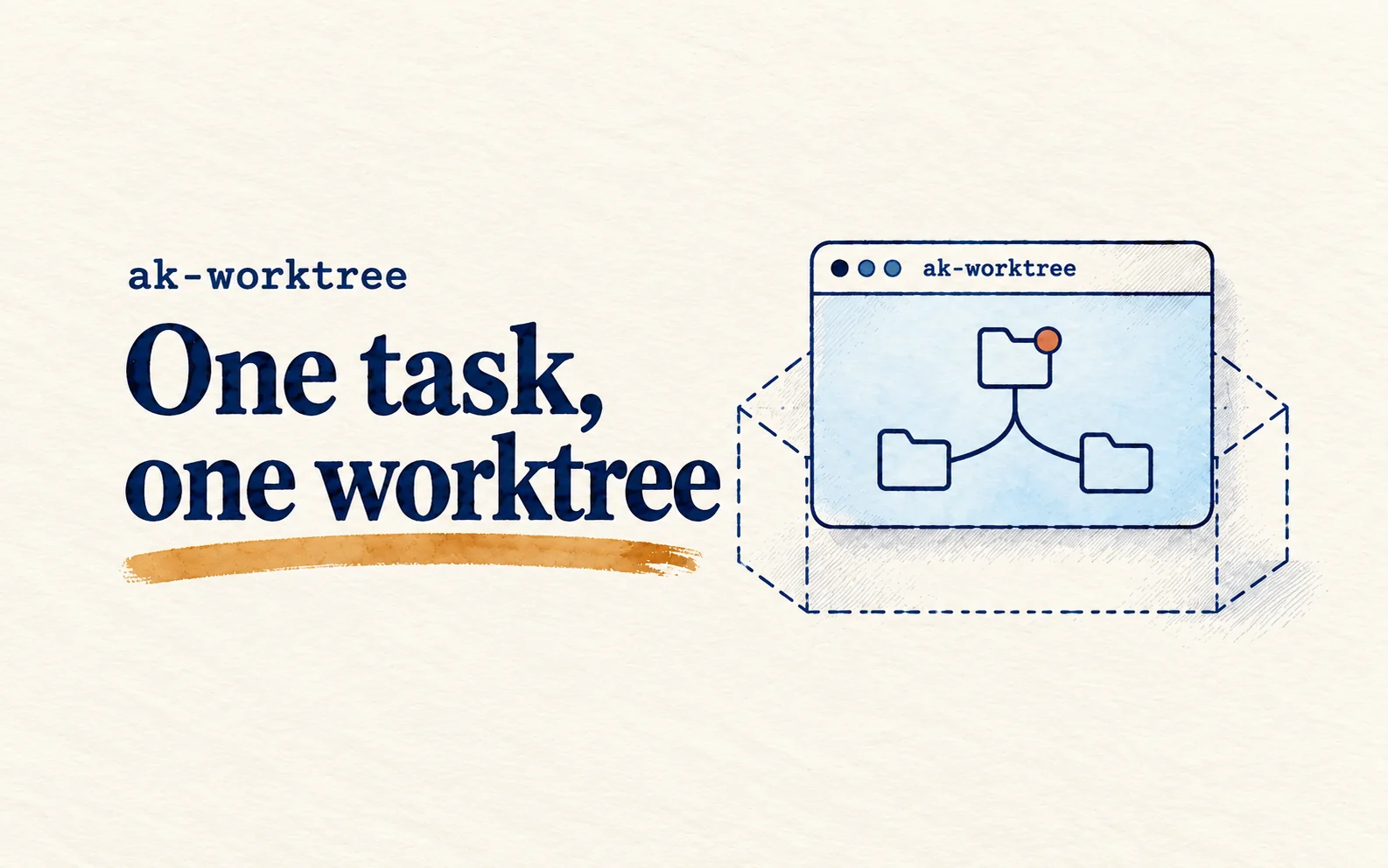
ak-worktree creates a git worktree with its own branch for each task, names the branch, picks the base branch and folder, then hands off to ak-cook or ak-fix. It also checks status and cleans up old worktrees.
ak-agent-browser lets the AI open pages, click, fill forms, take screenshots and hunt bugs in a separate browser through the agent-browser CLI, without touching your everyday Chrome.
ak-xia reads a feature in another repo, maps it against your code, challenges the assumptions, then hands ak-plan a plan with rollback. The --compare mode only writes a comparison report.
ak-agentize reads your existing code, picks a CLI, an MCP server or both, and wraps it so AI agents can call it without changing current behavior. It only publishes when you ask.
ak-backend-development reads your project to learn the real stack, then writes endpoints, services, data access and tests in Node.js, Python or Go without switching framework, auth or database.
ak-better-auth inspects your project first, then sets up or extends Better Auth sign-in: email/password, OAuth, 2FA, passkeys, sessions, organizations. When done, it checks the failure paths too.
ak-chrome-profile opens a URL in the right real Chrome profile, then attaches your agent to that exact tab through Chrome DevTools MCP, so it can read and act with your signed-in accounts.
ak-context-engineering reads your runtime's measurements, separates context, total tokens, usage limits and money, then helps you checkpoint at the right time and pick models by real results.
ak-databases handles schemas, queries, indexes, migrations and backups for the MongoDB or PostgreSQL you already run, and only calls a task done when it has evidence that fits the operation.
ak-deploy finds the right platform and environment, runs the deploy, checks for proof the app really runs, then records how to roll back.
ak-cti-expert looks up your assets in public sources, rates confidence for each finding, then packages it all as a report. It does not scan ports or try passwords.
ak-devops reads the deploy config in your repo, keeps your current provider and works at the level you pick: local, preview or production, on Cloudflare, Docker, GCP, Kubernetes.
ak-docs-seeker finds current docs for a library or framework through llms.txt on context7.com, reads an official link directly if you have one, and falls back to reading the repo when there is no llms.txt.
ak-frontend-development reads your project first, writes React/TypeScript components and pages with the router, libraries and styling already in use, then checks build, types and interactions.
ak-diagram writes your system description as typed JSON IR, then compiles it offline into an interactive HTML reader, an SVG or a fragment. You never place coordinates; the layout is automatic.
ak-excalidraw draws architecture, data flow and workflow diagrams on a live Excalidraw canvas or as a .excalidraw file with a PNG, reads your repo itself and reviews the image before handing it over.
ak-gkg builds a code graph with GitLab Knowledge Graph to find definitions, every usage of a symbol, and a repo map. It works best with Ruby, Java and Kotlin.
ak-google-adk-python writes Google ADK agents in Python (tools, multi-agent, MCP, A2A, deploy) against the google-adk version your project already has, starting small and adding a task or eval to check it.
ak-graphify turns code, docs, papers and images into a saved knowledge graph, so you can ask about module relationships again and again instead of grepping file by file.
ak-llms picks your public docs pages, summarizes them, groups them and writes llms.txt per the llmstxt.org spec, plus llms-full.txt when you need full text, so AI reads your site cleanly.
ak-mermaidjs-v11 writes diagrams in Mermaid v11 syntax: process flows, API call sequences, schemas, project timelines. By default it only gives you a mermaid block for Markdown, and exports images only when you need them.
ak-mcp-builder builds MCP servers on SDK v2: it finishes one tool, tests it with a real client, and only then adds more. It does not configure clients or call existing servers.
ak-mintlify reads your existing Mintlify docs site, edits the right area, then runs the check commands the project already has. It does not install the CLI globally or scaffold a new site just to edit one page.
ak-mobile-development reads your real project to learn the framework, SDKs and devices, then builds iOS and Android work on that stack. It compares frameworks only when you have not picked one.
ak-page-builder turns your project's existing components into blocks, wires up the editor, drafts, preview, publish and agent interfaces, then creates a project operator skill for fast page edits later.
ak-payment-integration guides integrations with 9 payment providers, from VietQR to Stripe, along one shared flow and the same safety gates: only a signature-checked webhook changes an order's state.
ak-react-best-practices picks, from Vercel Engineering's 45 performance rules, the rule that matches the slow spot you measured, fixes it with the rule's correct example, then compares before and after numbers.
ak-repomix uses Repomix to pack a repo or part of one into a single file for an AI to read, picks the smallest scope that keeps dependencies, checks tokens and secret warnings, then reports what it packed.
ak-shader checks how your project runs shaders, then writes a GLSL fragment shader for that exact environment: procedural textures, SDF shapes, repeating patterns, animated backgrounds, verified by a real render.
ak-tanstack reads the TanStack packages installed in your project, then writes routes, server functions, validated forms or AI chat against those exact versions' types and checks with the project's scripts.
ak-shopify decides whether the work is an app, extension or theme, reads the project's Shopify CLI and API version, writes code within the safety rails, then tests on a dev store or preview theme.
ak-storage uploads, downloads, lists or syncs assets with S3-style storage such as Cloudflare R2, AWS S3 and MinIO, then reads each file back to be sure it landed. Without config, it says plainly nothing was uploaded.
ak-tech-graph gathers components and relations from a description or code, picks a diagram type and 1 of 7 styles, draws SVG, exports a 1920px PNG, then reviews the image to catch overlaps.
ak-web-testing checks which runner your repo uses, picks exactly one tool for your web testing job (Vitest, Playwright, k6, axe, Lighthouse) and draws conclusions only from real runs.
ak-threejs reads the project's Three.js version and renderer, looks up examples and APIs in its bundled data, writes a 3D scene for that exact version, and counts it done only when the image shows and interaction works.
ak-web-frameworks is a knowledge skill for Next.js and Turborepo: it reads the project config first, opens the right guide for rendering, data, optimization, SEO/GEO or monorepos, then checks with build, curl and a browser.
ak-webmcp designs and registers WebMCP tools through document.modelContext for your existing pages, forms and features, adds safety annotations, then checks them with the validator, Inspector and evals.
ak-banner-design builds banners, cover images, heroes and print banners at the right platform size. It reuses your brief, asks only for what is missing, and checks text, safe zones and logo before delivery.
ak-brand creates a brand identity, updates exactly the part you ask for, reviews assets against the standard and applies the brand to a deliverable. It always edits the source of truth and reports the files it changed.
ak-cip-design writes an identity brief, then renders mockups of business cards, signage and uniforms for exactly the items you name, using your real logo when the brand has one.
ak-creativity searches a library of styles, platforms, voiceovers, music and campaign types, then returns a creative brief or a single pick. It does not make images or videos.
ak-enhance-ux-ax reviews a site or app for both users (UX) and AI and answer engines (AX), then writes a report with ranked proposals and a DONE contract. By default it only writes the report.
ak-design-system organizes colors, spacing and font sizes into three-layer tokens, writes state specs for components and builds HTML slides that use only the project's tokens.
ak-design makes logos, brand identity, posters, banners and social images. It shows its assumptions first, works in rounds and scores the final piece; it does not write UI code.
ak-frontend-design writes a 7-line design brief before any code, builds from tokens, then grades the rendered page at 3 screen sizes. Given a live URL, it audits the UX and returns a report with screenshots as evidence.
ak-motion-design picks the emotion, personality, duration, easing and order for motion, then hands back a brief. It writes no code, makes no assets and renders nothing.
ak-logo-design generates logos that follow your brief, only looks up the style or colors still open, then checks every file before handing it over. Output is a raster image, not vector.
ak-stitch has Google Stitch draw a screen from your words, lets you review the image, then exports Tailwind HTML, a PNG and DESIGN.md for the skill that builds the code.
ak-ui-styling adds components, changes themes, turns on dark mode, fixes accessibility and builds responsive layouts for apps on shadcn/ui and Tailwind. It reads the current setup first and changes only what you ask.
ak-youtube-thumbnail-design makes 1280x720 YouTube thumbnails from your video brief, brand and approved images. Each variant comes with its design reasoning and one CTR hypothesis to test.
ak-ui-ux-pro-max searches a design dataset to pick style, color and fonts for web and mobile interfaces, then builds the UI or reviews its UX against 10 rule groups.
ak-bro rewrites the AI's last message so it is short, clear and free of jargon. It keeps the meaning, warnings and doubts; it adds no new ideas and runs nothing.
ak-ask answers technical and architecture questions like a system architect, based on your real docs and code. It only advises; it does not change code.
ak-explain explains concepts, code, architecture or errors with a 5-part model, keeping what it checked apart from what it infers. It can use analogies or build an HTML page with diagrams; it does not fix code.
ak-fable-thinking is a set of checks for the AI: every claim names its source, output constraints are checked by machine, and the answer leads with the result. Use it when being right beats being fast.
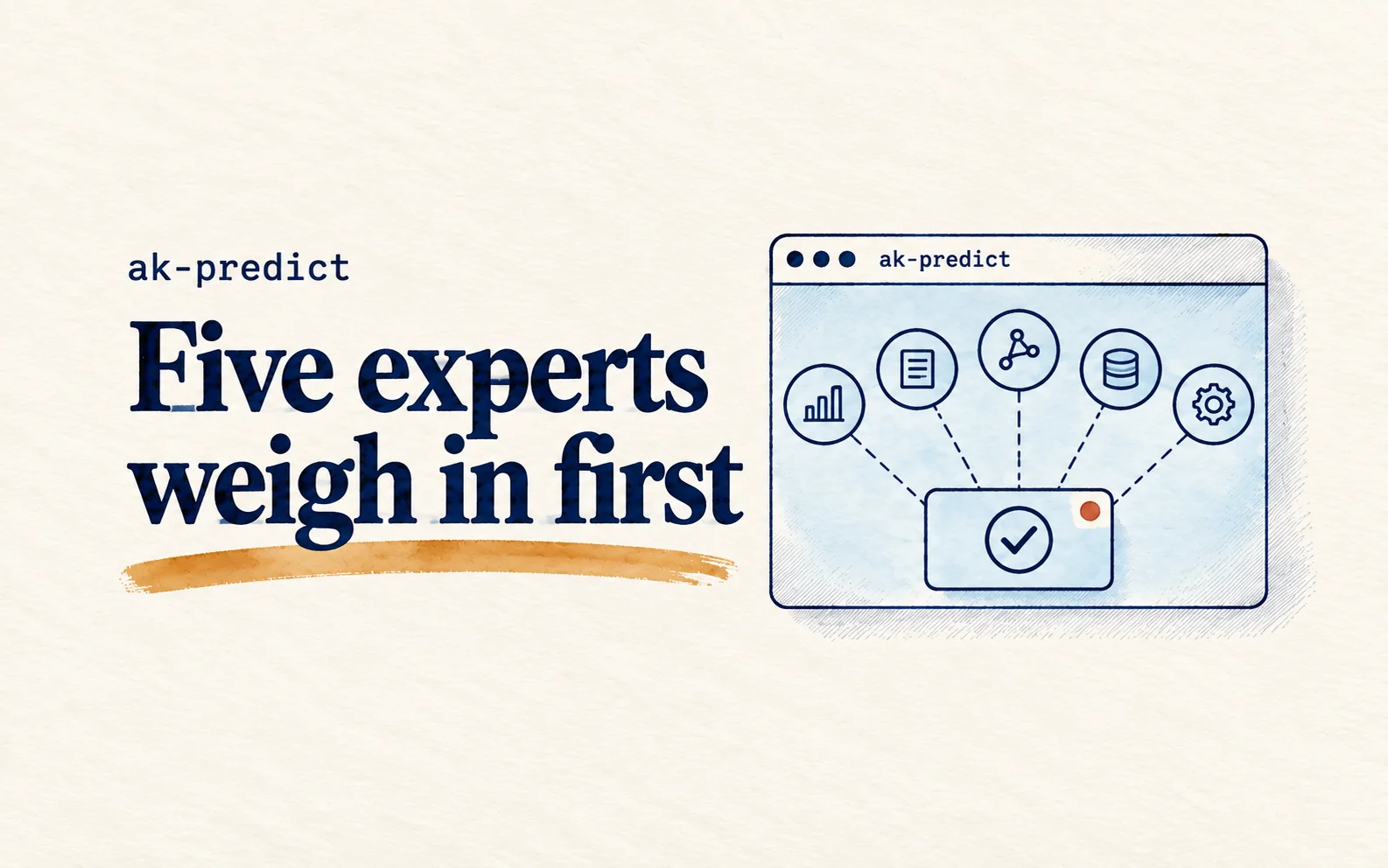
ak-predict has 5 personas analyze a large or risky change on their own, compares where they agree and clash, then gives a GO, CAUTION or STOP verdict with risks. It writes no code.
ak-problem-solving reads how you are stuck, picks 1 of 5 techniques to rethink the problem, applies it to your case and stops once there is a step you can take right away.
ak-ai-artist finds the closest of 129 prompt templates, puts your subject in, and generates the image with Nano Banana in 3 modes: follow a template, blend templates, or remix.
ak-ai-multimodal lets the running model read images and documents first, calls the Multix CLI only to generate images, video, voice, music or transcripts, and stops when the right API key is missing.
ak-document-skills picks the right process for docx, pdf, pptx and xlsx, reads, creates or edits the file, keeps the template and untouched parts as they were, and checks the output before handing it over.
ak-elevenlabs writes and directs voice scripts for the ElevenLabs model, then makes speech, multi-speaker dialogue, consented voice clones or sound effects, and listens back to the real file.
ak-filmmaking builds 5 to 30 minute AI films as a production graph: script, shots, identity references, master dialogue, animatic, tiered renders, per-shot QC and a final cut with separate stems.
ak-hyperframes lets you write a short video as one HTML file, then uses the version-pinned hyperframes CLI to preview, check, render to MP4 and confirm the result with ffprobe.
ak-markdown-novel-viewer runs a small server on your machine, opens a markdown file or folder in a book-like reader, returns the exact URL the server prints, and only stops the server it started.
ak-media-processing picks FFmpeg for video and audio, ImageMagick for images and RMBG for background removal, keeps originals unless you allow overwriting, and checks the output before reporting done.
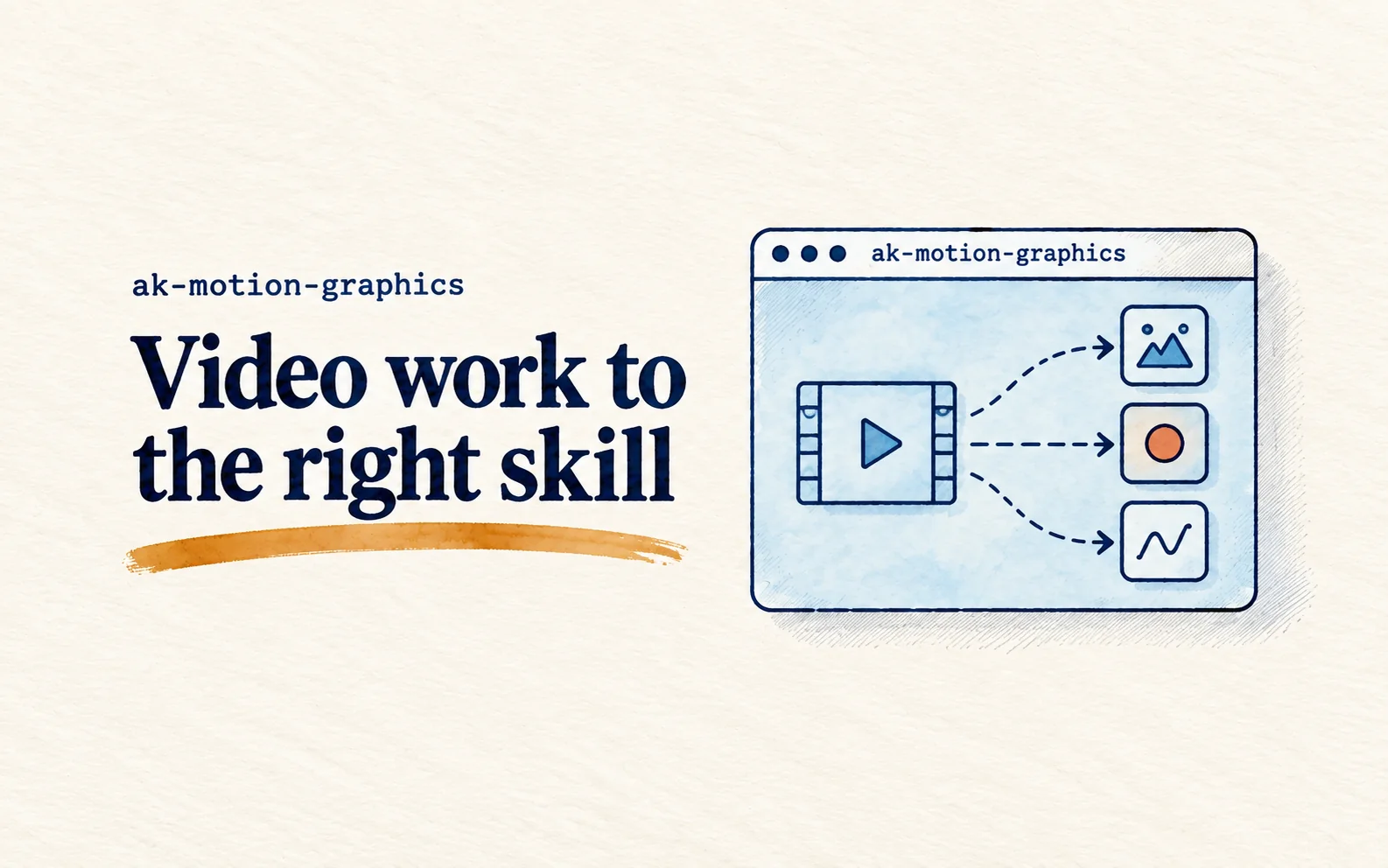
ak-motion-graphics hands video and animation requests to an installed skill that can do them, only prints an install command for an outside pack when no skill has the template, and checks rendered files against spec.
ak-motion-video builds 1080p motion graphic videos with HyperFrames: cuts on the beat, text timed to the voice-over, Vietnamese karaoke captions, about 70 styles, an AI voice or your own recording.
ak-remotion carries 29 Remotion rule topics, reads only the part your task needs, writes frame-driven React video code, and checks the real video file instead of trusting the preview.
ak-preview opens Markdown in a browser reader, or builds an explainer, diagram, slides, diff review page, plan-versus-code check or project recap as Markdown or a self-contained HTML file.
ak-show-off turns a description or a markdown file into a self-contained multi-section HTML page, screenshots each section in 3 ratios, publishes the page and writes it in two languages, remembering your settings for next time.
ak-slides builds one HTML presentation file with navigation, responsive layouts and Chart.js charts from real figures, says who the deck is for before it starts, and checks 5 criteria before handing it over.
ak-ab-test-setup helps you write the hypothesis, pick metrics, compute sample size, split traffic and lock the stopping rule before an A/B test runs, then helps you read the results when it is done.
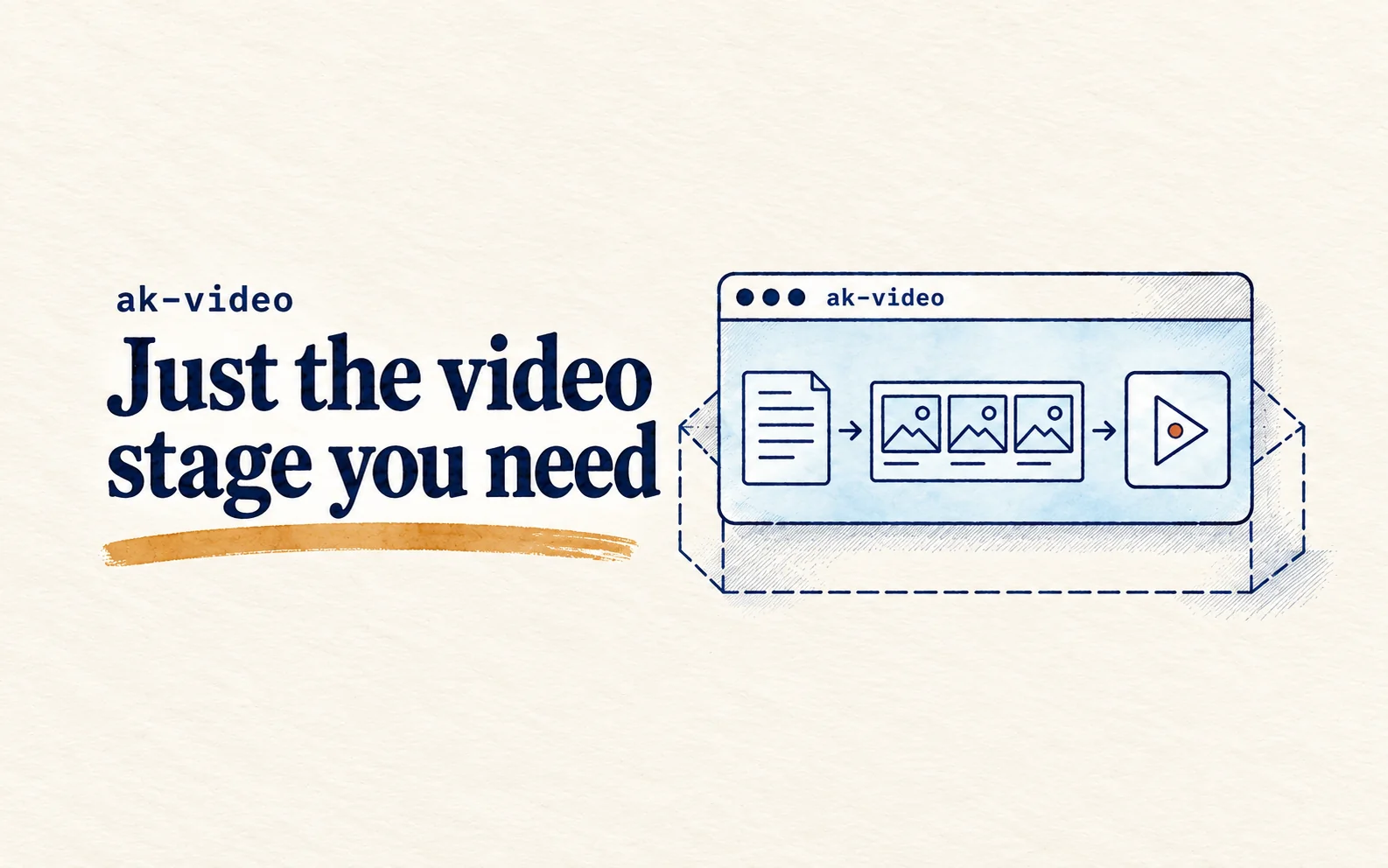
ak-video does exactly the marketing video stage you need: script, storyboard, rendered video or platform repurposing, reuses approved work and only reports done after checking the real file.
ak-youtube pulls a YouTube video's captions, comments and info through the VidCap API, then rewrites them into a blog post, an infographic or social posts, with quotes tied to timestamps.
ak-ads-management reads reports, builds campaigns, changes budgets and pauses or enables ads through the Google Ads or Meta Ads API, only within the limits you allow, checking receipts and reconciling before any retry.
ak-affiliate-marketing builds affiliate, KOL and KOC programs starting from unit economics, then picks the commission model, platform, partner recruiting and fraud controls, keeping partner emails and payouts as drafts.
ak-assets-organizing settles the path and file name for marketing content in order: the place you name, the repo's convention, then the fallback assets/ tree, and tidies messy folders without renaming existing files on its own.
ak-analytics settles the source and time frame, defines every metric, keeps missing cells as unknown, compares equivalent periods, then produces a report with charts, prioritized recommendations and owned next steps.
ak-competitor analyzes a competitor's positioning, pricing, content and SEO, and writes comparison pages in 4 formats from one shared competitor profile, with every pricing and feature claim carrying its source, date and confidence.
ak-content-marketing builds content pillars and topic clusters, an editorial calendar, blog briefs, audits of old content and repurposing of existing posts, reusing approved material and only publishing when you allow that exact channel.
ak-copywriting writes headlines, emails, landing pages, CTAs and social posts from your brief, uses formulas such as AIDA or PAS as a frame while letting the brand voice win, and never makes up figures or customer quotes.
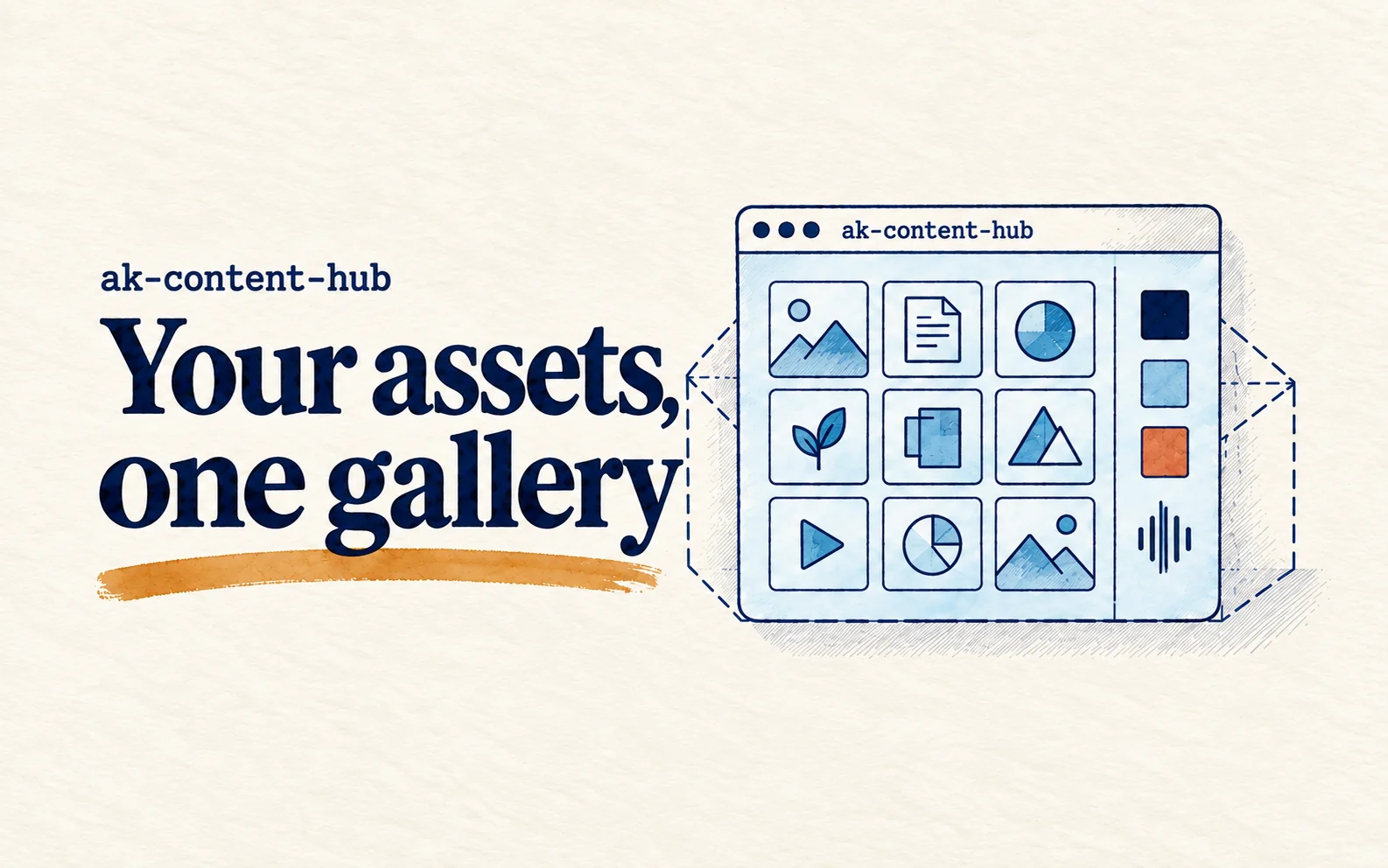
ak-content-hub opens a gallery on your machine that shows the files in assets/ as a thumbnail grid with a brand color and voice sidebar, for filtering, searching, previewing and editing text files, uploading nothing to the cloud.
ak-email writes newsletters, cold emails, email sequences and automated flow designs from what you already said, saves them as draft files by default, and only sends or schedules through an authorized tool, then checks the receipt.
ak-form-cro reviews a contact, demo, quote, survey or checkout form and returns a prioritized list of changes, each with its evidence and how to measure it.
ak-free-tool-strategy helps you pick a free tool idea that brings in leads, scores it on 8 factors, checks whether it pays off, then writes a strategy doc. It does not write code.
ak-gamification-marketing picks game mechanics from one useful behavior and evidence about your users, then builds the campaign, the implementation and the measurement, always next to a no-game option.
ak-launch-strategy works out the launch type, picks the stages and channels you need, then gives a plan with owners, dates, metrics and stop conditions. It posts and sends nothing.
ak-marketing-dashboard starts, reuses or stops a dashboard running on your machine, with 3 areas (Assets, Brand, Settings), and only stops the processes it started.
ak-marketing-ideas searches a catalog of marketing ideas across 17 channel groups, ranks them by product, stage and resources, then gives a few ideas with test and stop rules.
ak-marketing-planning reads your brand context, reuses research that is still fresh, looks up only what is missing, then writes a campaign plan folder. It only plans; it does not run the campaign.
ak-marketing-psychology picks 2 to 3 psychological mechanisms that explain a puzzling customer behavior, each with one intervention, a metric and a harm guardrail.
ak-marketing-research settles the scope, reuses research you already have, finds primary sources for the gaps, then writes a report where every number has a source and a date.
ak-onboarding-cro reviews your post-signup flow, settles one activation action that predicts retention, then gives a prioritized list of changes, each with a metric and a guardrail.
ak-pricing-strategy proposes a billing metric, tiers and prices with the math from the data you give it, or a research plan when evidence is thin. It never publishes prices itself.
ak-paid-ads turns your brief and numbers into a strategy, ad copy, audiences and optimization advice. It only advises and never changes anything in the ad account itself.
ak-referral-program-building helps you pick a reward structure, a platform or a custom build, tracking and fraud controls, then measure by customer cohort so your referral program does not lose money.
ak-write is the single entry point for marketing writing: blog posts, quick or thorough copy, formula copy, CRO fixes, scoring, and preparing a ready-to-post version.
ak-seo audits sites, checks GEO, researches keywords, and writes schema and bulk page templates. Every number names its source, and missing data is marked unknown.
ak-social drafts posts in each platform's format, plans a posting calendar, and when you ask, publishes or schedules for real through Typefully, Postiz or Buffer, then checks the receipt.
ak-agentkit checks which skills and agents are installed, chains them into a concise route for multi-step work, then hands off to the owning skill. When the next step is an ak command, it settles the command type and scope first.
ak-coding-level sets your coding experience level from 0 to 5 so the AI explains things at the right depth. The level only changes how it talks, not the quality of the work.
ak-find-skills picks one main skill from the AgentKit skills you have installed, or finds an outside skill with the Skills CLI and installs it only when you agree.
ak-help reads the skills actually installed, summarizes only the ones that match your question and points to the most specific one once the job is clear. For an ak command, it reads that command's current help.
ak-plans-kanban opens the /plans page of the AgentKit dashboard so you can see your plans as a kanban, timeline and progress. It starts the dashboard if needed; it edits no plan.
ak-codex-goal checks whether a long task suits Codex /goal, then writes a goal contract with a check command after each milestone and a measurable stop point. It only creates a goal when you ask for one.
ak-skill-creator creates, updates, audits and optimizes agent skills. It checks whether you really need a skill, and only calls the work done when it has the right kind of evidence.
ak-vault stores, finds, syncs, rotates and uses API keys, tokens and .env values in the secret store you chose, and never prints a secret value into the conversation.
ak-dogfood reviews the session you just ran, finds where a skill cost you time, tokens or a redo, then proposes the smallest fix to that exact skill, with evidence and risk.